

A Legal Perspective on PDRM Conduct and Malaysian Law
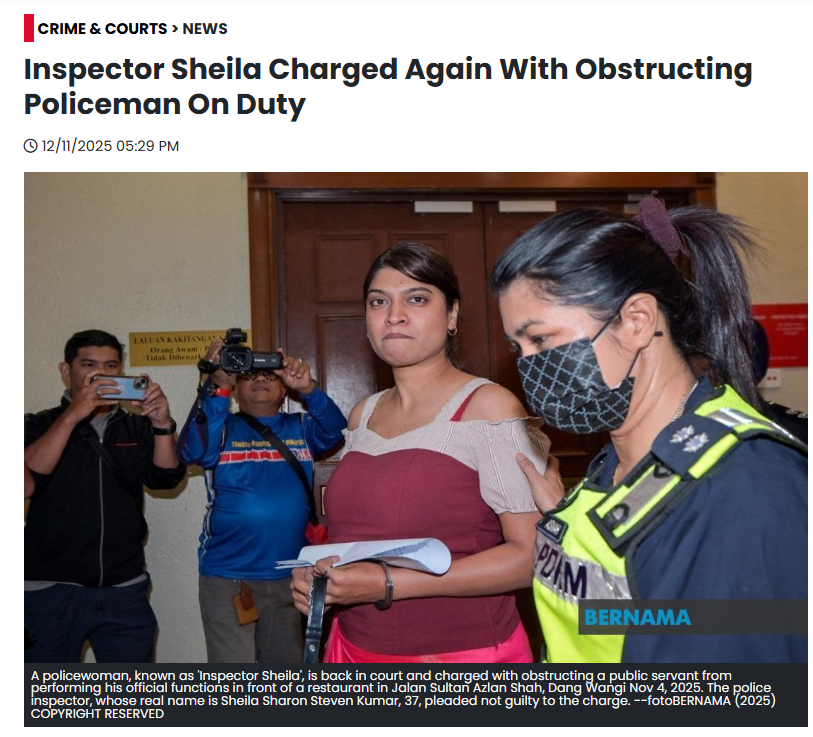
The “Inspector Sheila” case has rapidly moved from viral social media clips to the center of a national conversation about PDRM conduct in Malaysia. The incident, involving a senior police officer now facing criminal charges, serves as a critical case study for understanding the legal lines that all citizens—including public servants—must not cross.
As a Malaysian law firm, we are often asked for a legal opinion on such high-profile cases. This post will break down the specific Malaysian laws and legal principles at play.
Understanding the Charges: Penal Code Malaysia
The public prosecutor has brought several charges against the officer. These are not internal disciplinary notes but serious criminal allegations under Malaysia’s Penal Code. Understanding these specific sections is key.
- Section 506 (Criminal Intimidation): The Inspector Sheila charge under Section 506 relates to criminal intimidation. To prove this, the prosecution must show that the accused threatened another person with injury to their person, reputation, or property, with the intent to cause alarm.
- Section 509 (Insulting the Modesty of a Person): This is a key charge in the Inspector Sheila case. Section 509 makes it an offence to use any word or gesture intended to be heard or seen by, and to insult the modesty of, an individual. The focus of the court will be on the accused’s intent.
- Section 186 (Obstructing a Public Servant): In a related incident, the officer was also charged under Section 186 for allegedly obstructing a public servant (a fellow PDRM officer) from discharging their public functions. This law is crucial for allowing police to perform their duties without interference.
PDRM Misconduct vs. Criminal Charges
It is important to differentiate between internal disciplinary action and criminal prosecution.
- A Higher Standard of Conduct: As members of the Royal Malaysia Police (PDRM), officers are vested with significant powers under the Police Act 1967. The Malaysian public rightly expects a high standard of professionalism. Actions that constitute PDRM misconduct or conduct unbecoming of an officer are subject to internal disciplinary proceedings.
- Criminal Accountability: The Inspector Sheila case has escalated beyond an internal matter because the alleged actions may have violated the Penal Code, which applies to all persons in Malaysia. This demonstrates a clear line: holding a position of authority does not provide immunity from criminal law.
Key Legal Takeaways for Malaysians
This high-profile case offers several important lessons on Malaysian law:
- Viral Videos as Evidence: While powerful, a viral video is not an automatic conviction. In a Malaysian court, this digital evidence must be presented, verified, and withstand legal scrutiny, including questions of context and editing.
- The Presumption of Innocence: This is a fundamental right in our legal system. Despite public opinion, the accused is presumed innocent until proven guilty beyond a reasonable doubt in court.
- Know Your Legal Rights: This incident has prompted many Malaysians to ask, “What are my rights when dealing with police?” and “What constitutes police harassment in Malaysia?” It highlights the importance of knowing your rights and the legal avenues for redress.
The Inspector Sheila case will be a significant test of police accountability in Malaysia and the application of our criminal laws, regardless of an individual’s rank or position.
Disclaimer: This article provides general information and does not constitute legal advice. You should consult a qualified Malaysian lawyer for advice on your specific legal situation.
Picture Source: https://www.bernama.com/en/crime_courts/news.php?id=2489974
Leave a Reply